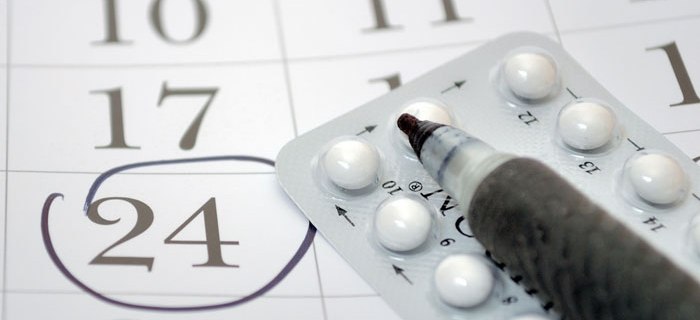
Die Antibabypille ist zwar nicht das älteste, jedoch das weithin beliebteste Verhütungsmittel. Seit in den 60er-Jahren des letzten Jahrhunderts die Industrienationen dazu übergingen, sie zuzulassen, kennt sie jeder. Selbst 13- und 14-Jährige beschäftigen sich mit ihr. Die Pille ist sehr sicher und ein geeignetes Mittel zur Empfängnisverhütung. Dennoch gibt es ein paar Tipps zum richtigen Umgang und zu den Nebeneffekten, die jeder kennen sollte.
Wie sicher ist die Antibabypille?
Die Bemessungsgrundlage für die Sicherheit eines Verhütungsmittels ist der sogenannte Pearl-Index. Dieser gibt an, bei wie vielen Frauen, die ein bestimmtes Verhütungsmittel ein Jahr einsetzen, eine ungewollte Schwangerschaft eintritt. Bei der Antibabypille gilt der Grundsatz, dass von 1.000 Frauen in einem Jahr maximal drei schwanger sein können. In diesen Fällen ist auf die richtige Anwendung einzugehen. Viele ungewollte Schwangerschaften trotz Pille resultieren aus dem Erbrechen der Pille oder Durchfallerkrankungen. Es gibt zahlreiche weitere Wirkhemmnisse, die bekannt sind.
Wie wirkt die Pille richtig?
 Damit die Antibabypille ihre volle Wirkung entfaltet und beibehält, bedarf es einiger Vorkehrungen. Zunächst gibt es Medikamente, welche die Wirksamkeit der Pille senken. Dazu zählen die meisten Antibiotika. Glücklicherweise gilt dies nur für einen begrenzten Zeitraum. Weiterhin führt (mehrmaliges) Erbrechen der Pille zur verminderten Wirksamkeit, da ein Teil der Pille zumeist dabei ist. Dementsprechend sind Durchfallerkrankungen mit häufigem Stuhlgang ein Wirkungshindernis der Pille. Weiterhin erfordern viele Pillen die exakte Einnahme zum gleichen Zeitpunkt an jedem Tag. Das Erfordernis der zeitgenauen Einnahme ist je nach Präparat unterschiedlich. Die genauen Informationen liefert der Beipackzettel.
Die zahlreichen positiven Nebenwirkungen sind Gründe, weshalb viele Frauen gerne so verhüten. Einige Präparate zeigen positive Wirkungen gegen Akne, unter der Jugendliche oftmals leiden. Darüber hinaus lässt sich mit dem richtigen Präparat der hormonelle Status steuern. Vorbeugend wirkt die Pille gegen Depressionen und Regelschmerzen. Es kommt bei den Präparaten auf das richtige an. Dementsprechend empfiehlt der Frauenarzt, je nach Bedürfnis der Patientin, das Passende. Die Wirkungsweise der Pillen unterscheidet sich nur im Detail. Alle wirken auf hormoneller Basis. Präparate, die keine weiblichen Hormone enthalten, kommen insbesondere bei übergewichtigen Frauen infrage. Dementgegen gibt es Kombinationspräparate. Alle unterdrücken den Eisprung und führen idealerweise zu einem regelmäßigen und beschwerdefreien Zyklus. Die Einnahmeabfolge orientiert sich meist 21-tägig am Zyklus.