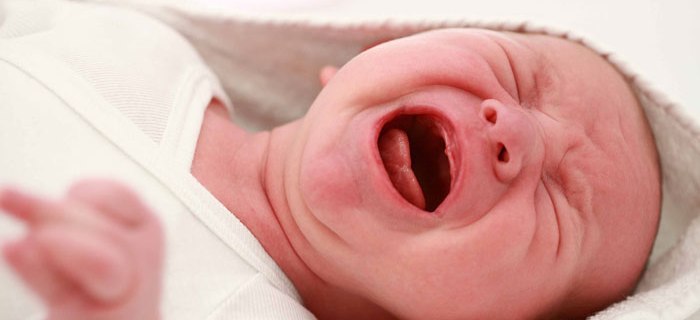
Das Zahnen bei einem Baby ist immer ein sehr ereignisreicher Schritt im Laufe des ersten und zweiten Lebensjahres. Schon im Mutterleib entwickeln sich alle 20 Milchzähne, welche aber noch tief im Kiefer verborgen sind. Wichtig für die Entwicklung der Zähne ist die Ernährung der Mutter in der Schwangerschaft, denn diese kann positive oder negative Auswirkungen für die Zähne des Babys haben. Der erste Zahn, also der Schneidezahn kommt im Alter von 6 bis 8 Monaten zum Vorschein. Nun kommt jeden Monat ein neuer Zahn dazu und im Alter von einem Jahr hat das Baby um die 6 Zähne. Hat ein Baby schon vorher oder erst später einen Zahn ist dies ganz normal, da jedes Kind sich unterschiedlich schnell entwickelt.
//
Dauer des Zahnens beim Baby
Die Dauer des Zahnens beim Baby ist in der Regel vom 6ten bis zum 20ten Lebensmonat. Viele Babys zahnen in einem Rutsch, dass heißt sie haben eine gewisse Zeit konstant Beschwerden, welche beim Zahnen auftreten. Andere Babys hingegen zahnen sehr unregelmäßig, dass heißt einige Tage haben sie wieder sehr starke Schmerzen durch das Zahnen und in den nächsten Tagen wird es wieder besser. So zieht sich das einige Tage oder Wochen und dann erst kommt der Zahn zum Vorschein.
Bernsteinkette beim Zahnen
Eine Bernsteinkette beim Zahnen wird schon seit vielen Generationen von den Großeltern und Eltern immer wieder empfohlen, beziehungsweise nahegelegt. Bernstein soll entzündungshemmend und schmerzlindernd wirken. Ebenso wird dem Bernstein nachgesagt, dass er eine Heil- und Schutzwirkung besitzt und er Ängste vom Baby abnimmt und die Lebensfreude verstärkt. Ob diese Bernsteinkette nun hilft oder nicht ist sehr unterschiedlich. Wer verstärkt daran glaubt, bei dem zeigt sich auch beim Baby eine positive Wirkung. Einige Eltern erzählen davon, dass ihre Babys die Kette beim Zahnen überhaupt nicht mochten. Andere wiederum schwärmen von der Heilwirkung von Bernstein, da die Babys ruhiger waren als sie die Kette um hatten.