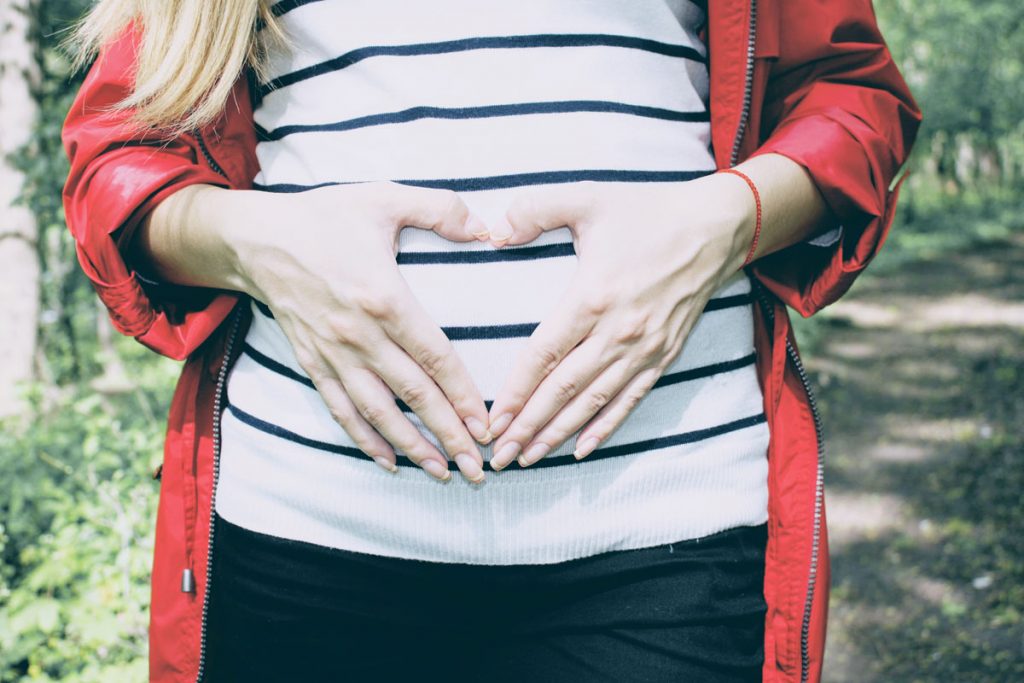
Die ersten Anzeichen einer Schwangerschaft können sich schon recht bald nach Eintreten – sprich nach der Befruchtung – abzeichnen. Jedoch ist das von Frau zu Frau doch unterschiedlich. Nach Zusammentreffen von Eizelle und Spermium und erfolgreicher Befruchtung macht sich das befruchtete Ei nun auf den restlichen Weg durch den Eileiter zur Gebärmutter, wo es versuchen wird, sich einzunisten. Da zum jetzigen Zeitpunkt schon Schwangerschaftshormone benötigt, also von Ihrem Körper produziert werden, sind es genau diese Hormone, die Ihnen bereits erste Anzeichen für das bevorstehende Mutterglück bescheren können.
Vielleicht verspüren Sie jetzt, kurz nach der Einnistung der Eizelle, schon ein Ziehen im Unterleib, das ähnlich dem Ziehen bei der Menstruation sein kann. Dieses Gefühl kann durch das erste Dehnen der sogenannten Mutterbänder verursacht werden, kommt bei vielen Frauen aber erst ein bisschen später in der Schwangerschaft.
Ebenso kann es jetzt durchaus vorkommen, dass Ihre Brüste spannen und bei Berührungen sehr empfindlich sind. Von diesem Anzeichen in der Frühschwangerschaft berichten sehr viele Frauen. Dazu kommt natürlich das hormonbedingte Auftreten von Schwindelgefühlen, Kreislaufstörungen oder der berühmten Übelkeit. Beim Unwohlsein sprechen die meisten Schwangeren von einem vermehrten Zustand zwischen 8. und 16. Schwangerschaftswoche, die Übelkeit kann aber durchaus ein sehr frühes Anzeichen sein.
Wenn Sie sich plötzlich immer müde und schlapp fühlen, dann kann auch dies auf eine bereits eingetretene Schwangerschaft hinweisen. Grund dafür ist schlichtweg, dass Ihr Körper bereits jetzt alle Reserven und Energie für das wachsende Baby zur Verfügung stellt und Ihren Körper quasi in eine Art Energiesparzustand zurückfährt. Sollten Sie also diese Veränderungen bei Ihnen bemerken und könnte es zudem im vergangenen Zyklus zu einer Befruchtung gekommen sein, ist allerdings das sicherste Anzeichen für eine neue Schwangerschaft das Ausbleiben Ihrer Periode. Diese sollte in etwa 14 Tage nach dem letzten Eisprung stattfinden. Ist eine Eizelle aber mit einem Spermium erfolgreich zusammengetroffen, so findet die nächste Regel nicht mehr statt.
Sollten Sie auf Ihre Regel warten, kann ab dem Tag der eigentlichen Fälligkeit ein Schwangerschaftstest durchgeführt werden. Dann haben Sie schnell Gewissheit. Viele Frauen haben allerdings als erstes Anzeichen nur das Ausbleiben der Menstruation und werden von den oben genannten Wehwehchen (vorerst) nicht beeinflusst.