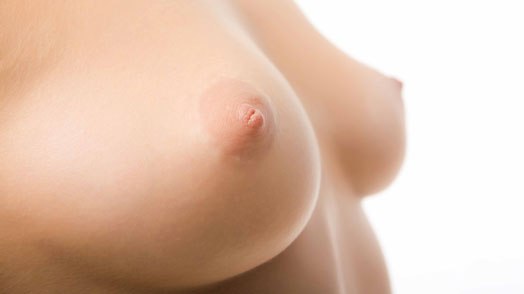
Der Milchstau wenn er entsteht, entsteht oft bald nach der Geburt des Babys, die Brust hat sich mit der Produktion der Milch noch nicht an den Bedarf des Babys gewöhnt, die Stillzeiten sind noch nicht richtig eingependelt und die gesamte neue Situation bringt die neue Mama in eine Stress Situation. Der Milchstau bei einer jungen Mutter zeigt Symptome wie besonders prall gefüllte Brüste, Schmerzen beim Berühren der Brust oder knotenartige harte Stellen an der Brust. Die Milchdrüsen können nicht abfließen.
Was tun wenn ein Milchstau droht
Droht ein Milchstau, oder spürt die Mutter Anzeichen eines Milchstaus hilft in erster Linie das Anlegen des Babys. Das Stillen sollte in keinem Fall unterbrochen werden. Das Baby kann oftmals durch ein wenig Veränderung der Stillposition mit dem Kiefer zu der am schlimmsten stauenden Stelle geführt werden und durch die Saugbewegungen eine Art Massage ausüben, durch diese die Milch leichter abfließen kann. Da ein Milchstau sehr schmerzhaft sein kann, ist es ratsam die Brust vor dem Stillen etwas anzuwärmen, da dadurch der Milchfluss angeregt wird. Sollte das Baby nicht trinken wollen, weil es vielleicht ein wenig erkältet ist, hilft auch ein Ausstreifen der Brust um den größten Druck zu nehmen, dies geschieht am besten unter der Dusche, denn das warme Wasser regt den Fluss der Milch auch an. Aber das Baby trotzdem regelmäßig anlegen ist die beste Medizin.
Hebamme weiß immer Rat bei einem Milchstau
Sind Sie unsicher, oder sind die Schmerzen zu groß ist es eine große Hilfe eine Hebamme zu Rate zu ziehen. Diese kann Ihnen weitere wertvolle Tipps geben und den Grad des Staus besser einschätzen, denn ein nicht behandelter Milchstau kann auch zu einer Brustentzündung führen. Topfenwickel ist ein alt bewährtes Rezept, das Hebammen empfehlen. Nach dem Stillen einfach ein Tuch mit frischem Topfen auf die Brust auflegen und oben lassen, bis der Topfen getrocknet ist.