Beinahe in jedem Haushalt gibt es Geräte, die viel Strom benötigen. Oftmals zeigen sie sich erst, wenn die erste hohe Stromrechnung im Haus ist. Dann ist guter Rat teuer. Mit einer gründlichen Analyse des Stromverbrauchs und der vorhandenen Geräte kommen Verbraucher den Stromfressern auf die Spur und handeln dementsprechend. Auf diese Weise blicken die Haushalte der nächsten Rechnung deutlich entspannter entgegen.
In Zeiten von steigenden Energiepreisen möchten Verbraucher etwas für die Umwelt und ihre Stromrechnung tun. Dementsprechend sind im Folgenden die größten Stromverbraucher im Haushalt zu finden. Darüber hinaus sind interessante Beobachtungen in Bezug auf unterschiedliche Entwicklungen im Bereich des Stromverbrauchs enthalten.
Das ewige Geschlechterduell – auch die Energie spielt eine Rolle
Männer und Frauen haben in Bezug auf Technik und Strom unterschiedliche Ansichten. Diese Erkenntnis ist nicht neu, entwickelt sich aber in eine ungeahnte Richtung. Werfen Frauen ihren Männern vor, sie kümmern sich nicht um den Stromverbrauch, sollten sie mit dieser Annahme vorsichtig sein. Diese Grafik zeigt, dass sich der Stromverbrauch der Geschlechter nicht in der Menge, sondern in der Nutzungsweise unterscheidet. Männer investieren traditionell viel in Phonotechnik und TV-Geräte. Demgegenüber haben die meisten Singlefrauen deutlich größere TV-Geräte als ein vergleichbarer Männerhaushalt.
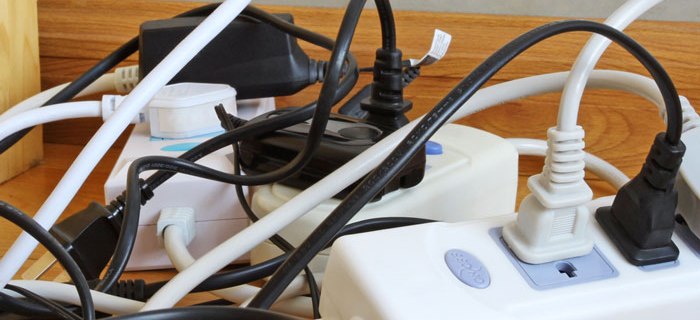
 Männer verbrauchen gegenüber Frauen langfristiger Strom. Sie spielen länger an Konsolen und sind auch beim Fernsehen langatmiger. Dafür benötigen Frauen viele Kleingeräte für die tägliche Pflege. Diese wiederum verbrauchen selbst auch Strom. Egal nach welcher Betrachtungsweise – alles in allem dürfte die Energiebilanz beider Geschlechter ausgeglichen sein. Strom zu sparen, ist eine allgemeine Aufgabe. Eine einfache Methode sind Mehrfachsteckdosen mit Schalter. Diese unterbrechen die Stromversorgung auch für Geräte im Stand-by-Modus.
Ein verbreitetes Problem sind veraltete Großgeräte. Gerade in Küchen finden sich alte Kühlschränke und Backöfen. Diese verfügen noch nicht über einen Energieausweis, wie er heute vorgeschrieben ist. Hinter den funktionierenden, aber alten Geräten verbergen sich häufig wahre Energiefresser. Waschmaschinen und Trockner verbrauchen über das Jahr verteilt eine große Menge Strom. Befüllen die Verbraucher die Maschinen zur Gänze, reduziert sich der Verbrauch über das Jahr. Sie benötigen weniger Waschgänge. Eine weitere Stromsparmöglichkeit ist die effiziente Nutzung von Licht. Lichterketten verbrauchen weniger Energie als mehrere Stimmungsleuchten. Darüber hinaus brauchen nie alle Lampen an zu sein. Das Abschalten beim Verlassen eines Raumes spart Energie und schont auf Dauer die Haushaltskasse.