Wie kann man ein Hochbeet im eigenen Garten anlegen und wie wird es am besten bepflanzt? Gerade rechtzeitig zum Frühjahr werden sich viele Gartenbesitzer diese Frage stellen, besonders solche, die schon länger darüber nachdenken, etwas Salat und Tomaten anzupflanzen. Auch wenn man auf dem Hochbeet nur begrenzte Erträge erwirtschaften kann – das ist auch nicht unbedingt gewünscht – ist es doch schön, das Angenehme mit dem Nützlichen verbinden zu können. Viele Menschen haben nämlich erkannt, dass Gartenarbeit zur Entspannung beiträgt. Auch nach Feierabend bietet der Garten noch Gelegenheit zum Werkeln, das muss ja nicht in einem riesigen Arbeitsaufwand enden. Deshalb sind auch die Schrebergärten wieder so beliebt. Der Aufenthalt an der frischen Luft zusammen mit etwas Bewegung und Freude an den Pflanzen sind das beste Mittel, zu entspannen. Kein Wunder, dass viele Eigenheimbesitzer oder Schrebergartenpächter darüber nachdenken, ihren Garten optimal zu gestalten und gar nicht mehr aufhören wollen, ihn immer wieder zu verändern.
Die einfache Bearbeitung eines Hochbeet im Garten
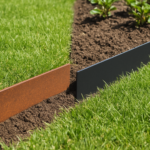
Wer darüber nachdenkt, wie er den Platz in seinem Garten am besten ausnutzen könnte, wird über kurz oder lang auf den Gedanken eines Hochbeet kommen. Wenn flächenmäßig nichts mehr geht, dann ist der Anbau in die Höhe ganz praktisch. Das ist auch der Grund, warum viele Gartennutzer mit einem Mini-Garten ein Hochbeet anlegen. Hierauf kann man wunderbar ein paar Köpfe Salat, Radieschen, Küchenkräuter oder auch einen Busch Bohnen pflanzen. Die Bearbeitung ist dabei ja denkbar einfach. Durch die Höhe des Hochbeetes muss man sich nicht mehr so tief bücken, was besonders im Alter eine große Erleichterung darstellt. Wer einige grundlegende Dinge beachtet, wird vor allem lange Jahre Freude an diesem Beet haben, egal, ob man Blumen hineinpflanzt oder Gemüse. Mit dem richtigen Boden und unter Beachtung des Materials für die Einfassung dürfte es nicht wenig Aufwand bei der Herrichtung sein. Am schönsten sieht ein Hochbeet aus Holz aus, dieses wählt man druckimprägniert und am besten aus Lärchenholz, aber auch die anderen Holzarten sind nutzbar. Betonsteine oder andere Einfassungen stören das Allgemeinbild von einem Hochbeet und lassen es unnatürlich aussehen.
Der richtige Inhalt und den Dünger nicht vergessen
Hat man nun die Einfassung fertiggestellt, kommt es natürlich auf den guten Inhalt, also die Gartenerde an. Zuerst aber kommt eine dicke Schicht von grobem Baumschnitt, Sträuchern oder Wurzelresten. Darauf folgt eine Lage Laub, Grünabfälle und feiner Strauchschnitt, dieses wird dann alles gut festgetreten, also verdichtet. Darauf kommen dann der Reihe nach Gartenerde, reifer Kompost und Blumenerde oder Muttererde. Daraus folgt, dass man ein Hochbeet doch am Besten im Herbst anlegt, wenn alle diese Materialien sowieso anfallen. Damit auch Möhren oder Rettich ihre langen Wurzeln ungehindert versenken können, empfiehlt sich eine ausreichende Höhe aufzufüllen und darauf eine dicke Schicht Humus zu schütten.