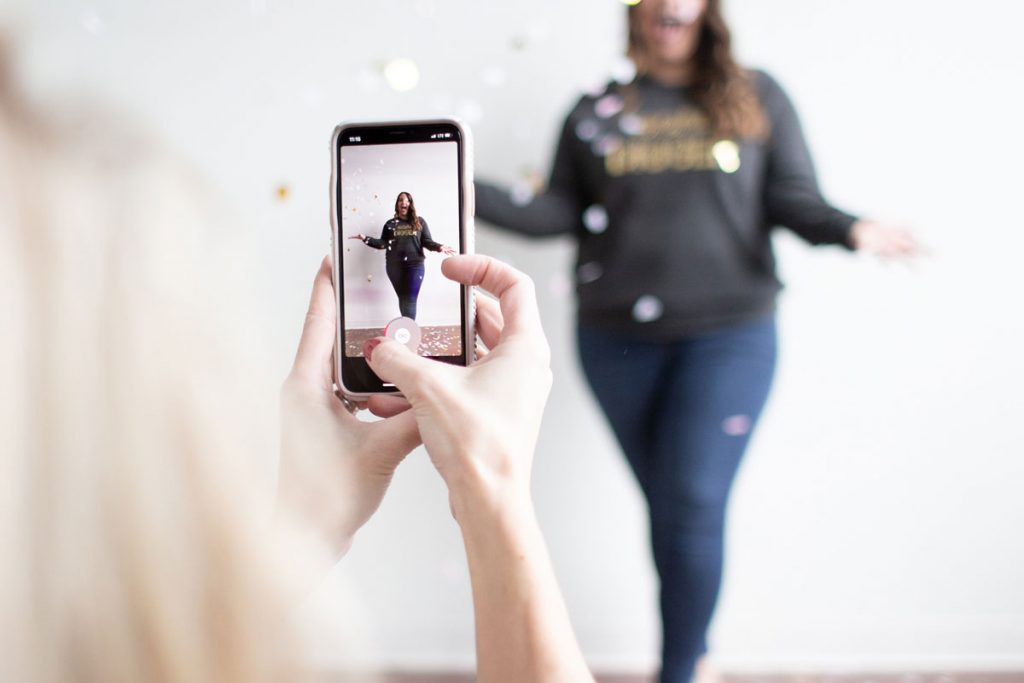
Ohne ihr Smartphone ist die Frau von heute kaum irgendwo anzutreffen. Viele nutzen ihr Telefon auch als Kamera, um mit Schnappschüssen den Alltag festzuhalten. Gerade jetzt in der Adventszeit ist die Handykamera ideal, um die fröhliche Stimmung auf dem Weihnachtsmarkt, beim Geschenkeeinpacken und Plätzchenbacken schnell als Foto zu konservieren. Damit diese Fotos möglichst ansehnlich werden, reicht es, ein paar kleine Tipps zu beachten:
- Grundsätzlich sollte man möglichst auf den Blitz verzichten, da er in der Regel für Überbelichtung und Zombie-Gesichter sorgt. Stattdessen sollte man versuchen, das Handy beim Fotografieren möglichst still zu halten, um Rauschen zu vermeiden. Dafür setzt man den Ellenbogen am besten auf einem Tisch oder einer anderen festen Unterlage ab. Für den Urlaub gibt es kleine Handystative zum Mitnehmen. Ansonsten bieten einige Geräte auch die Möglichkeit, einen Bildstabilisator einzuschalten.
- Viele Handys haben außerdem eine HDR-Funktion, diese muss in der Regel separat eingeschaltet werden. Sie sorgt für eine möglichst perfekte Belichtung, indem die Kamera automatisch mehrere Bilder mit verschiedenen Belichtungseinstellungen aufnimmt: Auf einem Bild werden die hellen Bereiche perfekt belichtet, auf dem nächsten die dunklen. Dank HDR-Funktion werden beide Bilder übereinander gelegt und man erhält als Resultat ein perfekt belichtetes Bild.
- Möchte man den Horizont ablichten, lassen sich dafür bei vielen Handykameras Hilfslinien anzeigen. Damit wird die Kante zwischen Himmel und Erde nie wieder schief.
- Viele Handykameras bieten zwar einen digitalen, aber keinen optischen Zoom. Beim digitalen Zoom wird das Bild erst geschossen und dann herangezoomt. Bei diesem Vorgang verschlechtert sich allerdings die Bildqualität. Ist nur ein digitaler Zoom verfügbar, sollte man auf diesen besser ganz verzichten und stattdessen mit der Kamera etwas näher an das Motiv herantreten. Auch sollte man, wann immer möglich, statt der Front- die Hauptkamera des Handys verwenden; diese hat in der Regel eine bessere Auflösung.
- Ansonsten gilt bei der Handyfotografie die Devise: Viel hilft viel. Also ruhig ein paar Fotos mehr schießen, damit man sich am Ende die besten heraussuchen und die anderen löschen kann.
Das Wichtigste kommt zum Schluss: Die Fotos sollten nach dem Knipsen auch verwendet werden, um nicht auf dem Handy oder in der Cloud zu „verstauben“. Idealerweise nimmt man sich mindestens einmal im halben Jahr Zeit, seine Fotos zu sichern, nicht gelungene Bilder zu löschen und die besten herauszufiltern. Diese Fotos lassen sich dann auf Seiten wie Whitewall online ausdrucken; anschließend kann man aus ihnen Collagen basteln oder sie in einem schönen Rahmen an die Wohnzimmerwand hängen. Wer möchte, kann die schönsten Fotos sogar auf Leinwand oder Klebefolie drucken lassen. Wer gerne bastelt, kann sogenannte Scrapbooks erstellen. Das sind Fotoalben, die mit Sprüchen oder Andenken versehen werden. Diese erinnern Sie noch Jahre später an tolle Erlebnisse.