Yoga ist eine tausende Jahre alte Philosophie, die aus der indischen Lehre stammt. Mit dieser allgemeinen Anleitung sollte man sich vertraut machen, bevor man mit den ersten Übungen beginnt. Der Begriff steht unter anderem für „anspannen“, „vereinigen“ oder „integrieren“. In den Ursprüngen ist Yoga eine Art von Spiritualität, die die Erleuchtung gewährleisten soll. Man versteht unter Yoga weder eine Form von Sport, noch eine Religion, sondern ein Training. Die Wurzeln liegen zwar im Hinduismus und im Buddhismus, Yoga wird aber weltweit und von Frauen und Männern mit den verschiedensten religiösen Ansichten praktiziert. Geistige und körperliche Übungen sollen in erster Linie zu innerer Ruhe verhelfen und Wege zur Gotteserkenntnis aufzeigen.
//
Wichtigste Grundbestandteile von Yoga
- Körperhaltungen (Asanas)
- Atemübungen (Pranayama)
- Konzentration und Sammlung (Meditation)
- Entspannung und Regeneration
Yoga und deren wünschenswerte Erfolge
- Entspannung und Stressabbau
- Höhere Konzentrationsfähigkeit durch Yoga
- Verbesserung der Atmung
- Die Beweglichkeit wird gefördert
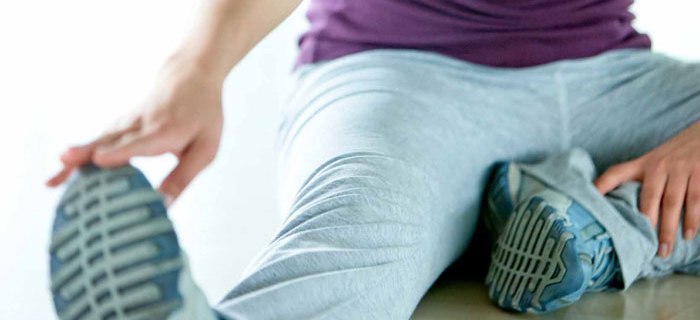
- Man kann sich besser dehnen
- Die Muskulatur wird durch Yoga gekräftigt
- Gleichgewichtssinn und Koordination werden verbessert
- Das Herz-Kreislaufsystem wird gestärkt
- Linderung von Rückenschmerzen
Yoga-Ausstattung
Für die meisten Yoga-Formen braucht man keine besonderen Geräte, sondern nur eine fachmännische Anleitung. Trotzdem gibt es einige Utensilien, die Sie sich besorgen sollten, bevor Sie starten.
Um sicherzustellen, dass die Übungen angenehm und schmerzfrei gemacht werden können, brauchen Sie eine geeignete Yoga-Matte. Diese darf nicht zu weich sein, damit Standfestigkeit gewährleitet ist. Verwenden Sie also keine herkömmlichen Turnmatten sondern fragen Sie in einem Fachgeschäft nach. Für die Bekleidung gibt es keine spezielle Anleitung, die unbedingt zu befolgen wäre. Das Gewand sollte jedoch auf jeden Fall atmungsaktiv sein. Für Meditationsphasen ist es immer gut, wenn man eventuell eine Jacke mit hat, damit man nicht friert. Ob Sie eher eng oder weit geschnittene Bekleidung wählen, können Sie klarerweise individuell und persönlich entscheiden.
Des Weiteren gibt es auch noch spezielle Gurte oder Yogaschuhe und Ähnliches. Diese Produkte sind nicht zwingend notwendig, in dieser Anleitung darf deren Erwähnung der Vollständigkeit halber aber nicht fehlen.